10 / 11
The Cabinet
The museum holds 2.4 million specimens and shows about one in a hundred. The rest live in drawers in a basement the public never sees — beetles, shells, eggs and minerals, collected over two centuries and visited mostly by researchers with appointments.
They wanted the collection online. Not a database with a search box, which they already had and nobody used, but somewhere worth visiting for its own sake.
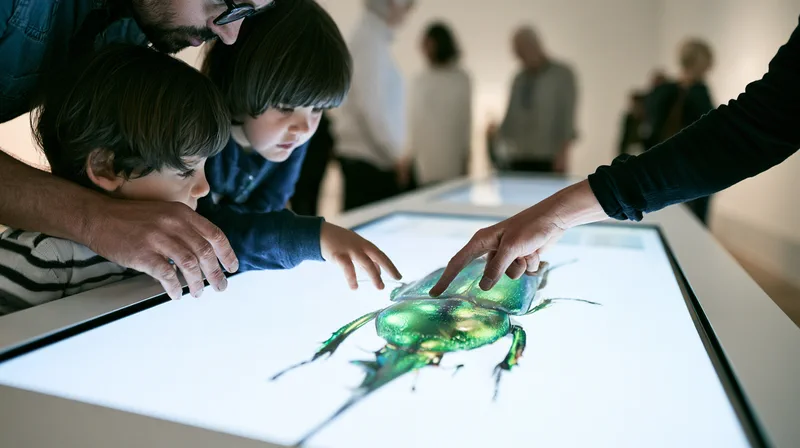
The gallery table — every specimen zoomable to the width of a hair
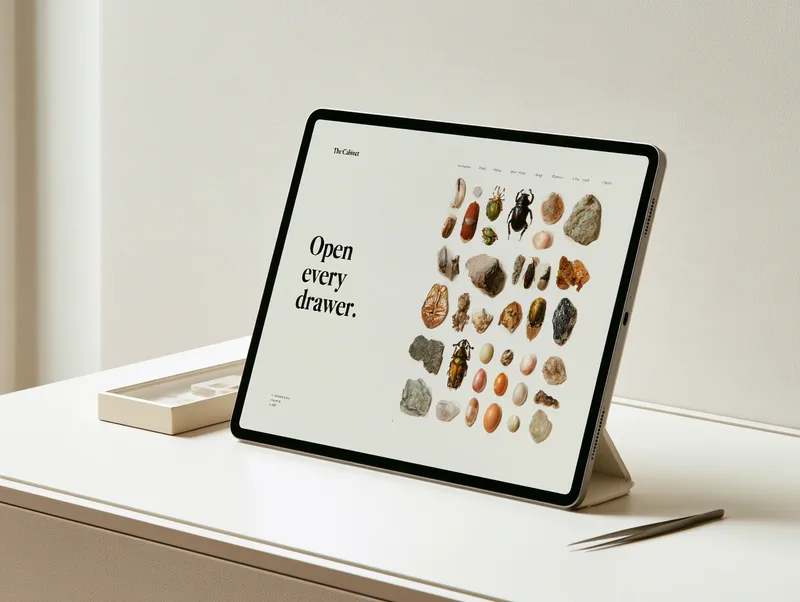
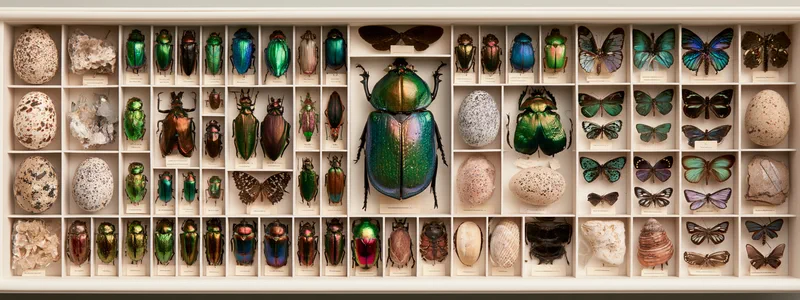
V.'s idea was the whole project: the drawer is the interface. You don't search the collection, you open it — the way a curator does, one drawer at a time, not knowing quite what you'll find.
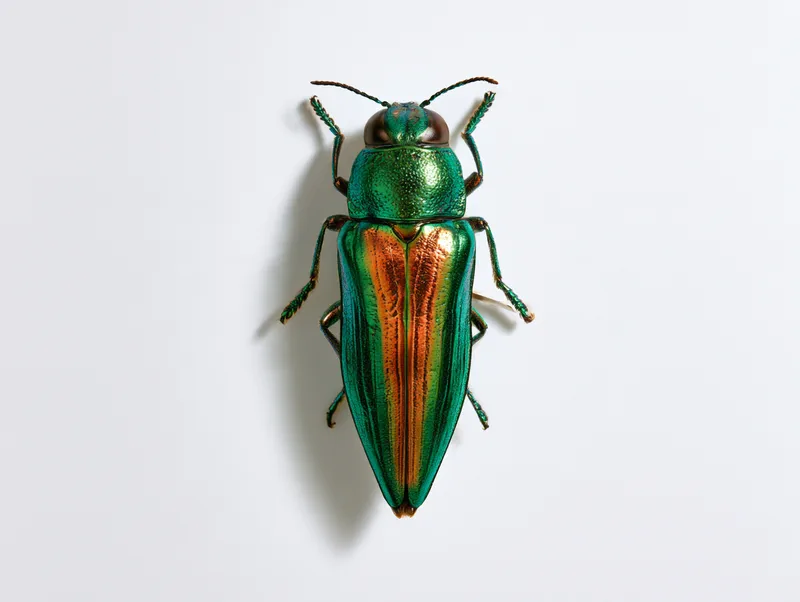
Robbie spent five weeks in the museum basement photographing three thousand specimens, each one focus-stacked so that it holds up at any magnification. Tasha designed the site around the drawer itself: the home page has no search box, only drawers, and every drawer opens onto the real arrangement its curator made.
Kendel built the viewer that makes it worth the visit — a continuous zoom from the whole drawer down to the scales on a single wing — and the long table in the gallery that runs the same software at the scale of a room. Kevin built the site and the pipeline behind it, so that museum staff can photograph and publish a new drawer in an afternoon.
The Cabinet opened with three thousand specimens and the museum has added around two hundred a month since, without us. The gallery table is now the most-used exhibit in the building.
Loan requests from overseas researchers have fallen, because for much of their work the images are enough — which means the specimens travel less, which is the quiet outcome the curators wanted most.
Selected work