08 / 11
Tessel
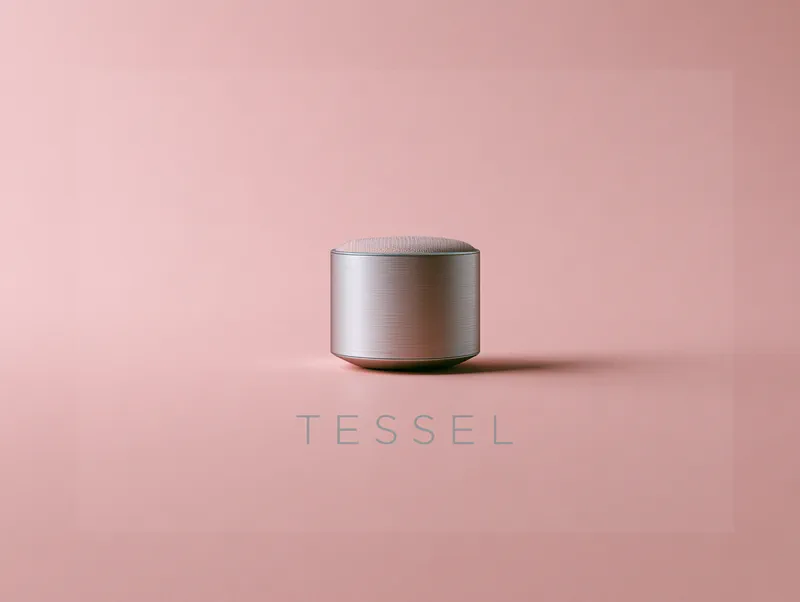
Tessel is a two-person audio company with one product: a wireless speaker machined from a single billet of aluminium. Six weeks before launch they had engineering drawings, a working prototype that sounded extraordinary, and nothing that looked finished enough to photograph.
They needed a launch film and a year's worth of product imagery for an object that did not yet exist. The brief was simple to say and hard to do: make it real before it is.
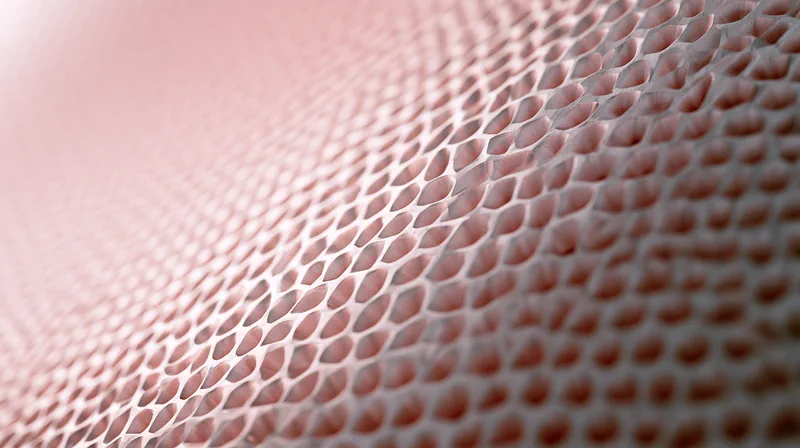
Grille study — every frame of the film was rendered; nothing was photographed
V. set the rule that kept it honest: every part on screen is a real part, at its real size. No invented internals, no impossible materials. If the film showed it, the factory had to be able to make it.
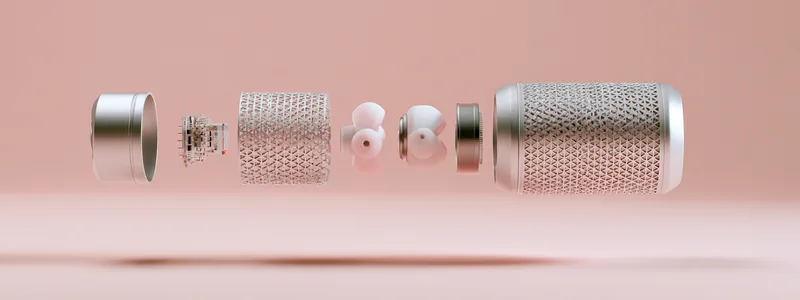
Janesh rebuilt the speaker from the engineering files — two hundred and twelve parts — and matched each finish to the supplier's physical swatches. Derik gave the film a single move: the speaker comes apart along one axis, holds, and returns. One behaviour, sixty seconds.
Ted built the score from the prototype itself, recording its drivers running test tones and tuning the music to the speaker's own resonances. Alex cut the sixty-second film and its thirty- and six-second versions, and graded the renders until they stopped looking rendered.
Kendel took Janesh's model into the browser. On Tessel's product page the speaker comes apart under your own hand — the same parts and the same move as the film, running in real time — so the first thing a visitor does is what the film has just shown them.
The film launched the product and carried the pre-order campaign on its own. Stills pulled from it served as all of Tessel's product imagery for the first year.
When the first production units arrived, Tessel photographed one and put it beside the render. They now use whichever is closer to hand.
Selected work